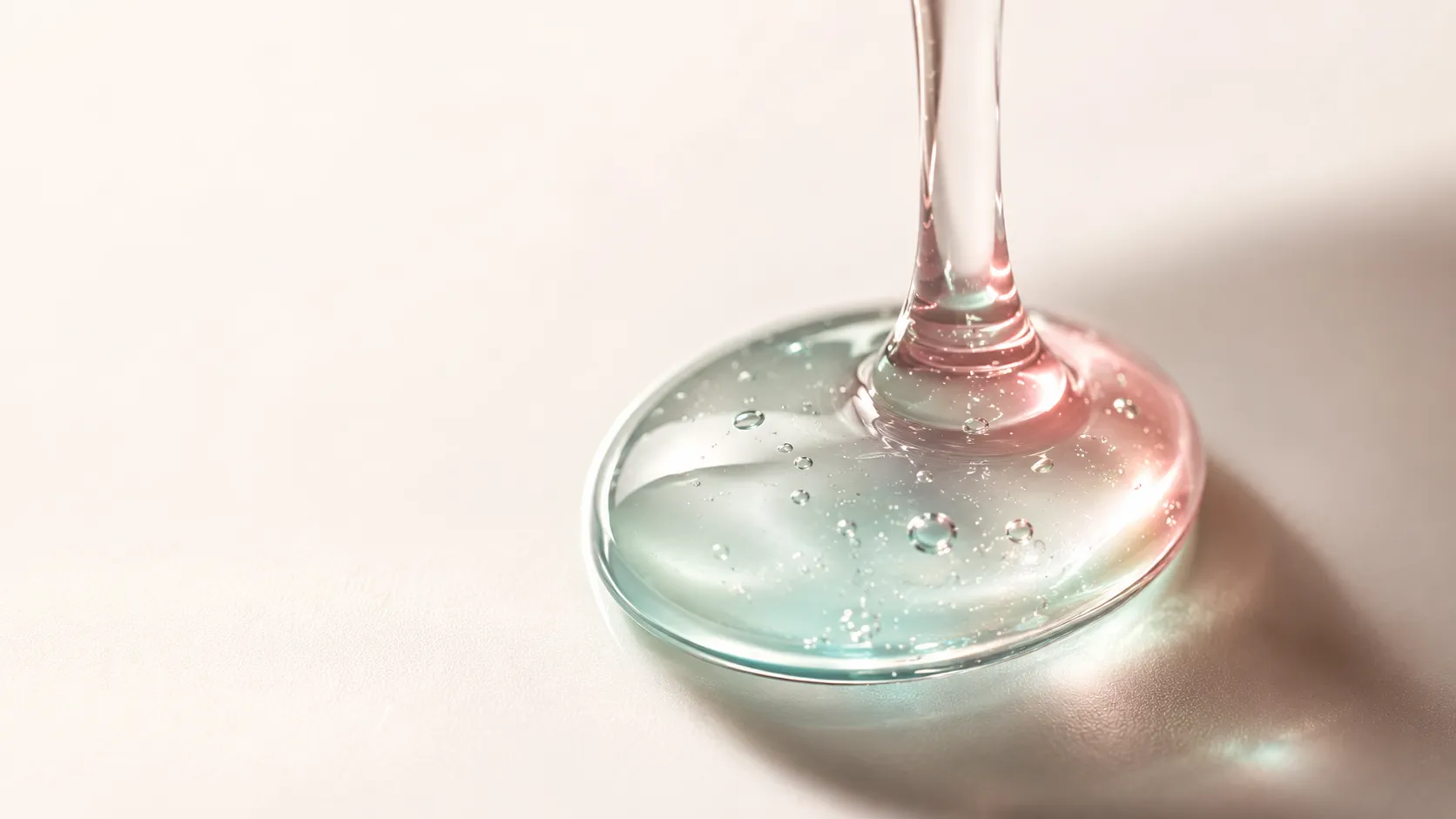
The slick trail a snail leaves behind as it crawls. Smear that on your face, and most people wince. Yet this exact ingredient is one of the hottest things in skincare right now. It’s all over TikTok and Instagram, and North America has become the fastest-growing market for snail skincare products.
So does this strange — frankly off-putting — ingredient actually work? Or is it just another passing trend?
The short answer — and the line nobody draws for you
Let’s start with the verdict: there’s real evidence behind it. As of 2026, snail mucin sits alongside hyaluronic acid and niacinamide as one of the more clinically validated hydration and repair ingredients out there.
But here’s what matters. Not every claim about snail mucin has been proven. Telling apart what the science actually supports from what’s marketing hype — that’s the point of this article.
What exactly is snail mucin?
On an ingredients list, snail mucin appears as “snail secretion filtrate.” It’s the gel-like fluid garden snails produce to protect and repair their bodies — shielding themselves from cuts, UV exposure, and environmental stress as they move across rough surfaces.
Here’s the interesting part: the same properties that protect snail tissue also benefit human skin. Snail mucin contains glycoproteins, hyaluronic acid, peptides, and antioxidants.
Worth noting: the snail mucin used in cosmetics isn’t the slime a snail uses to glide along. It’s a specific secretion produced as a stress response. And lately, animal-welfare-conscious synthetic versions have started to appear too.
Not a fad: 2,500 years of history
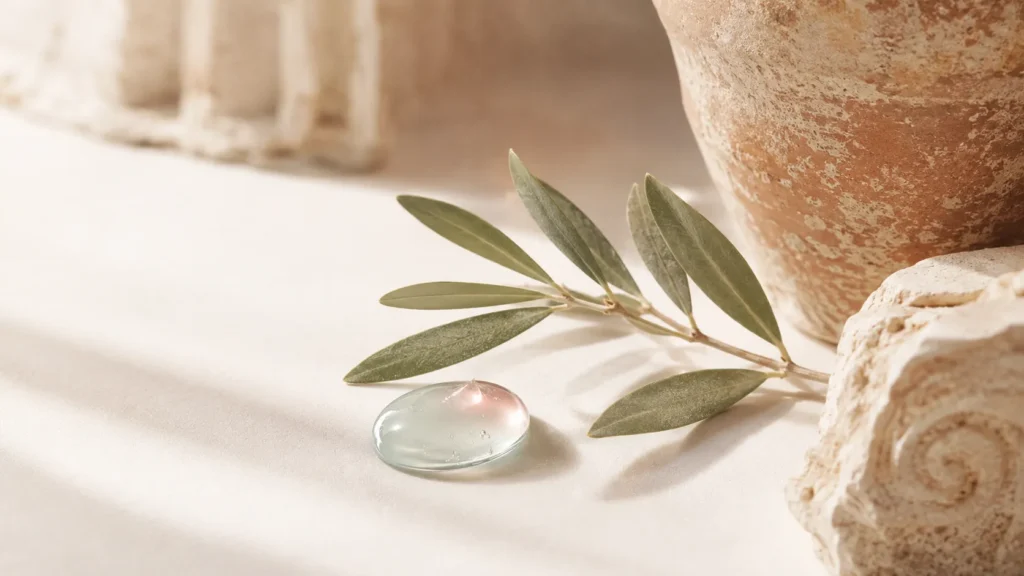
It’s easy to assume snail mucin is a K-beauty invention, but its history reaches back a surprising 2,500 years.
The ancient Greek physician Hippocrates is recorded to have prescribed crushed snails for skin inflammation. The modern rediscovery came in 1980s Chile, where farmers raising snails for the French dish escargot noticed that handling the snails left their hands softer and their cuts healing faster. That sparked the popularity of snail slime in South America, which later flourished in Korean skincare and grew into today’s global trend.
In other words, snail mucin isn’t an overnight fad. It’s an ingredient built on centuries of observation that eventually met modern science.
What the science says: the evidence-backed benefits
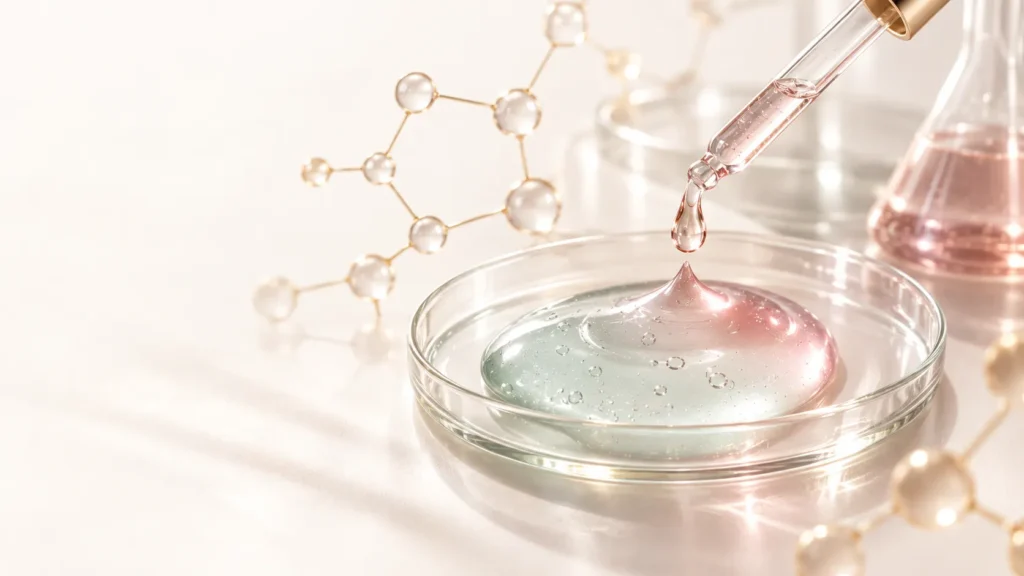
So what does the actual research say? Let’s look at what holds up.
Hydration. This is snail mucin’s best-established benefit. Ingredients like hyaluronic acid, glycolic acid, and glycoproteins draw water into the skin. This one is fairly widely accepted.
Pigmentation marks. A 2013 study in the Journal of Drugs in Dermatology reported that a cream with 40% snail secretion filtrate significantly reduced post-inflammatory hyperpigmentation (PIH) marks versus a control. That’s an especially interesting point for anyone dealing with acne marks.
Curious how UV affects acne marks? → Korean Sunscreen for Acne-Prone Skin: How to Choose (2026)
Antioxidant and environmental protection. In a study covered by National Geographic, a 3D skin model was exposed to ozone: the “skin” left unprotected by snail mucus extract became inflamed and showed signs of aging from oxidative stress, while the protected “skin” showed less inflammation. The suggestion is that it may act as a barrier against pollution.
Soothing. Snail mucin is also frequently used to calm irritated skin — after cleansing, exfoliating, or exposure to harsh conditions.
Hype vs truth: the honest read
Reading all that, it can sound like a cure-all. So here’s the balanced part.
Some claims around snail mucin — that it erases wrinkles entirely, or dramatically heals wounds — aren’t sufficiently proven yet. Many studies are early-stage or small, and experts broadly agree that more research is needed.
And as with any ingredient, results vary a lot from person to person. Snail mucin is something you apply consistently over weeks to notice a change — not an overnight dramatic fix.
The accurate takeaway: snail mucin is best seen as a well-supported hydrating and soothing ingredient. No need to overhype it as a miracle, and no need to dismiss it as just a trend.
Who it’s for, and how to start
Snail mucin is generally gentle, so it’s known as an ingredient most skin types — including sensitive skin — can try. It suits skin that needs hydration and soothing especially well.
Getting started is simple: apply it to clean skin after cleansing, layer it with your other products, or use it as a final moisturizing step. When trying any new product, though, it’s safest to patch-test on your inner arm first and see how your skin responds.
Note: this article is for information, not medical advice. If you have significant skin concerns or a specific condition, consult a dermatologist.
Frequently asked questions
Does snail mucin really work? The hydration and soothing benefits are fairly well-supported, and there’s research behind its effects on pigmentation marks and antioxidant protection too. That said, some claims still need more study.
Are the snails harmed? Harvesting methods vary by manufacturer. Because of animal-welfare concerns, lab-made synthetic versions have also started to appear.
How often should I use it? Once or twice a day, morning or evening. But it isn’t an instant ingredient — you need to use it consistently over weeks to expect a change.
Can I use it with other ingredients? Snail mucin is quite compatible. It’s known to pair well with hyaluronic acid, niacinamide, centella, and ceramides.
When will I see results? It varies, but not immediately. Like most skincare ingredients, it takes consistent use, and many people notice changes only after a few weeks.
The bottom line
Behind the strangeness of “snail slime” sits 2,500 years of observation and a real body of modern science. Snail mucin is no miracle cure, but when it comes to hydration and soothing, it’s a well-supported ingredient. Too good to dismiss as a trend, too oversold to treat as a cure-all. If it feels strange, understanding what that strangeness actually is — that’s the smart way to start.